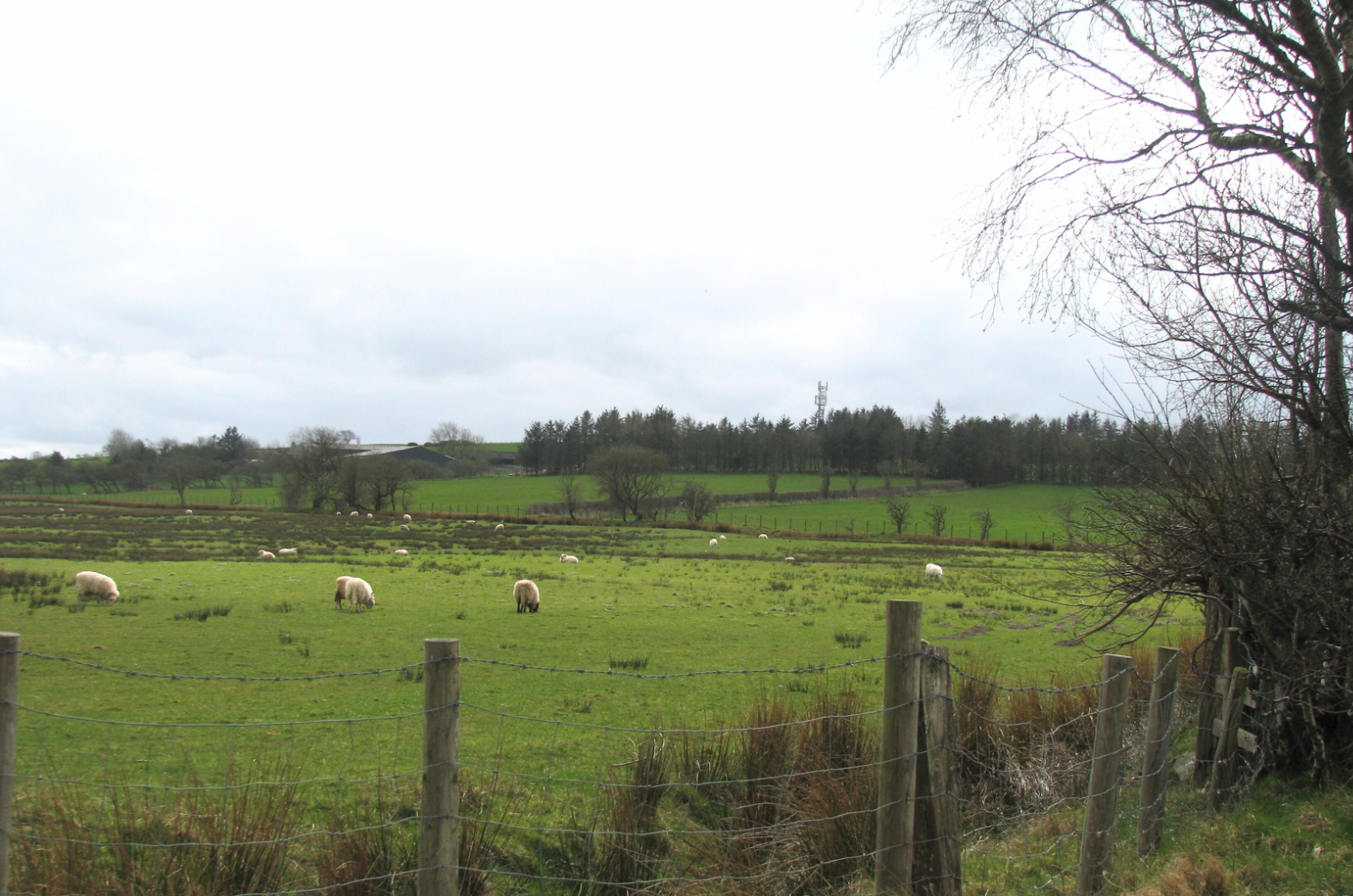
13 March 2026: A second Shared Rural Network total not spot site is now live, this time boosting mobile connectivity on Islay in Scotland. The publicly funded 4G mast brings mobile service from all operators to parts of the island that previously had no signal from any operator. This new site addresses one of Scotland’s most persistent mobile not spots.
The new site was built by EE and will deliver commercial coverage from all four operators, including Three, Virgin Media O2 and Vodafone to island residents, businesses and visitors across parts of Kilchoman, Machrie, Rockside, Aruadh, Ballinaby, Smaull, Braigo, Sanaigmore, Carnduncan, Grainel, Lyrabus, Gruinart and Craigens. It also provides new coverage to 14 kilometres of roads, paths, and tracks.
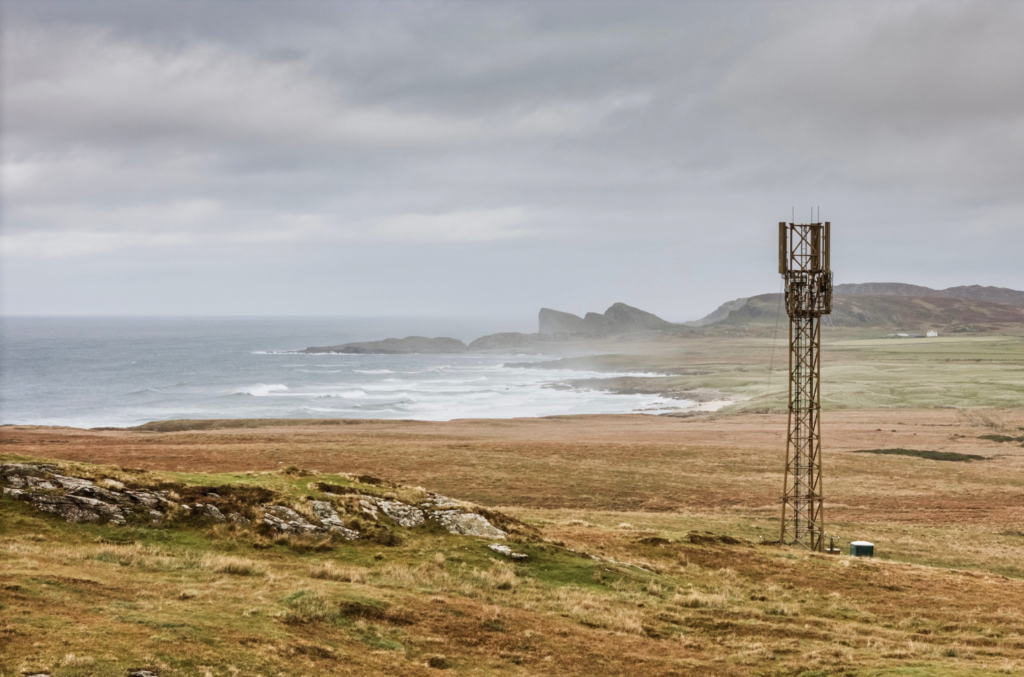
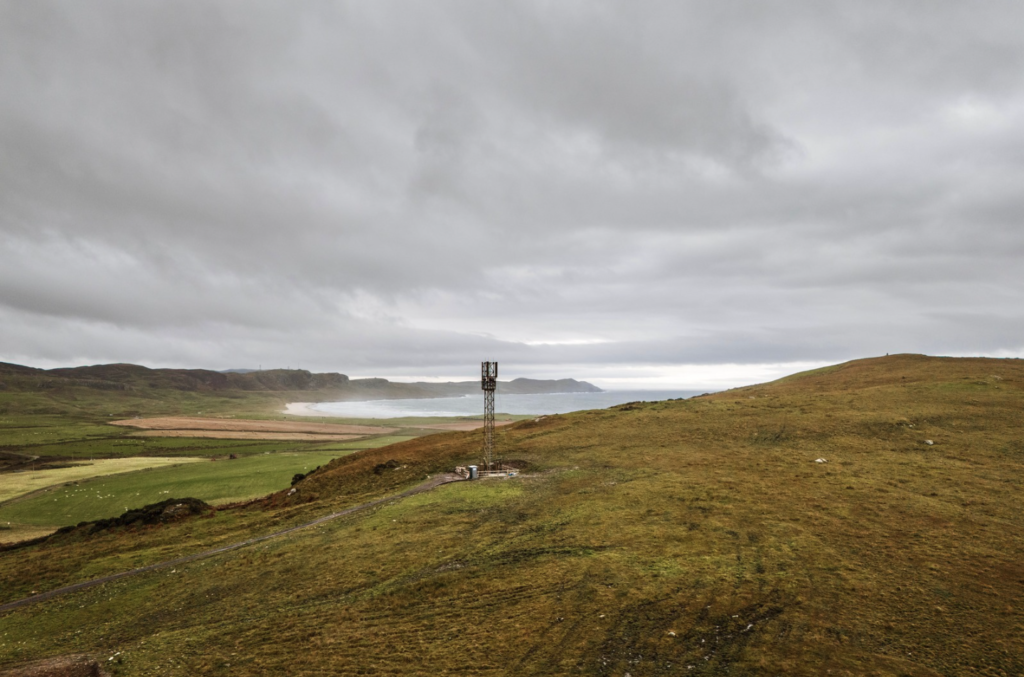
For the first time, reliable 4G from all operators is now available at key locations, including Machir Bay, Saligo Bay, Loch Gorm, and Cultoon Stone Circle, as well as along the western coast of Islay. This increased coverage improves safety for those travelling or working in remote areas, including seafarers and fishermen passing by and working near the island.
The mast is located near Kilchoman, on the west of the island, and was delivered under the publicly funded total not spot element of the Shared Rural Network programme. This partnership between the UK Government and the mobile network operators is expanding mobile coverage to rural and hard‑to‑reach areas across the country. This second total not spot site follows the first going live on Uist, and the December 2025 announcement of all mobile operators delivering public coverage from 100 shared Extended Area Service masts, originally built to support the Emergency Services Network (ESN), also delivered as part of the Shared Rural Network. Island communities have long experienced mobile coverage challenges, and addressing total not spots is a key focus of the Shared Rural Network programme.
Ben Roome, CEO of Mova said: “People want a connection they can rely on, wherever they are. In less populated, rural, areas, modern 4G does that brilliantly. This site brings mobile broadband to parts of Islay that haven’t had it, making day‑to‑day life a bit easier for the people who live, work and visit.”
The new coverage has been described as “important” by a local business, Kilchoman Distillery’s whose general manager, Islay Heads, said:
“I think people on the mainland take reliable 4G connectivity for granted, but we certainly don’t. From a business perspective, our visitors are now able to post reviews and photos before they leave the site, something guests often forgot to do before, as they had to wait until they had a mobile signal. We can also now run live presentations and tastings from areas outside the distillery which allows more people to see how our traditional farm distilling process works.
“It makes our ability to communicate with suppliers and team members much quicker as well. In modern business, these sorts of efficiencies are important to our overall success as a local enterprise and international brand.”
Telecoms Minister, Liz Lloyd, said:
“Fast and reliable mobile coverage is absolutely essential for modern life. It helps our emergency services respond to incidents, keeps our businesses growing, and makes it easier for local communities to stay in touch with one another.
“Thanks to the government’s Shared Rural Network Programme, every part of the UK – including Islay’s rural not spots that have previously had no mobile coverage – can finally make the most of the digital age.”
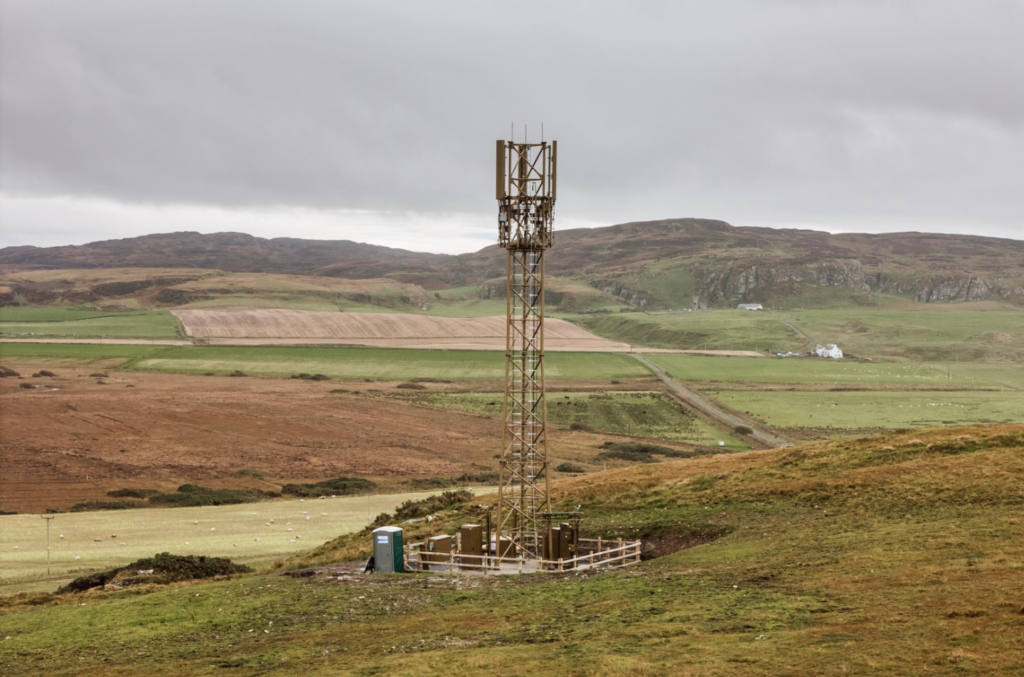
The mast on Islay was first identified as a potential site under the Scottish Government’s S4GI programme which funded the acquisition activities including securing the planning and landowner consents. Whilst it did not ultimately progress through the S4GI programme, its delivery through the Shared Rural Network is a strong example of successful collaboration between mobile network operators and the UK Government. Building on the solid groundwork established by the Scottish Government to bring improved connectivity to the area.
In addition to the two TNS sites live in Scotland, there are also 41 Extended Area Service (EAS) Scottish sites live which make use of existing Home Office emergency service masts to support commercial coverage from all operators. Many more TNS and EAS sites in rural areas across Scotland are projected to go live in the coming months.
Since the Shared Rural Network programme began in 2020, an additional 37,000 square kilometres – an area larger than the size of Wales and Northern Ireland combined – are now receiving coverage from all four operators, EE, Three, VMO2 and Vodafone.